Books
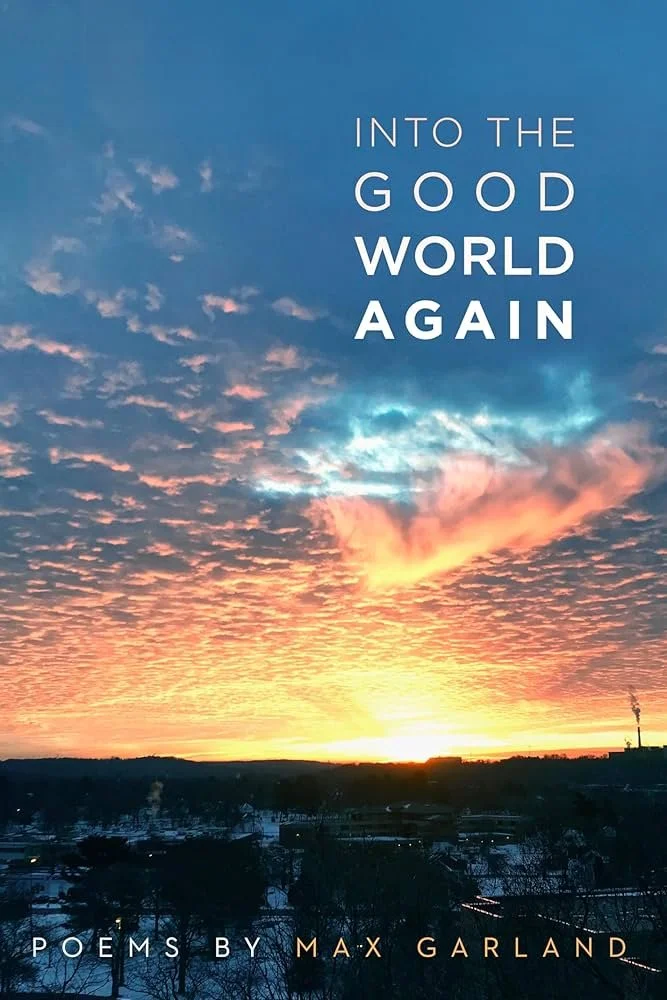
Into the Good World Again
Into the Good World Again: Poems is Max Garland's fourth collection, published in 2023, that uses the pandemic as a backdrop to explore themes of mortality, isolation, memory, and the resilience of nature, offering a way to find grace and meaning in a challenging world. The poems blend the cosmic with the infinitesimal, contrasting human suffering with the continuity of the natural world, and serve as a guide to re-engaging with life after a period of crisis.
"A new book from Max Garland is always a cause for celebration, and Into the Good World Again delivers all the pleasures that readers expect from this poet—vivid, evocative imagery, musical language, inventive metaphors, and original, striking observations. But these poems are also full of wisdom, something only poets of the first rank--of which Max Garland is one--provide. And the wisdom in this remarkable collection is hard-earned, deeply felt, and often profound." —Larry Watson, poet and author
Holy Cow Press, 2023
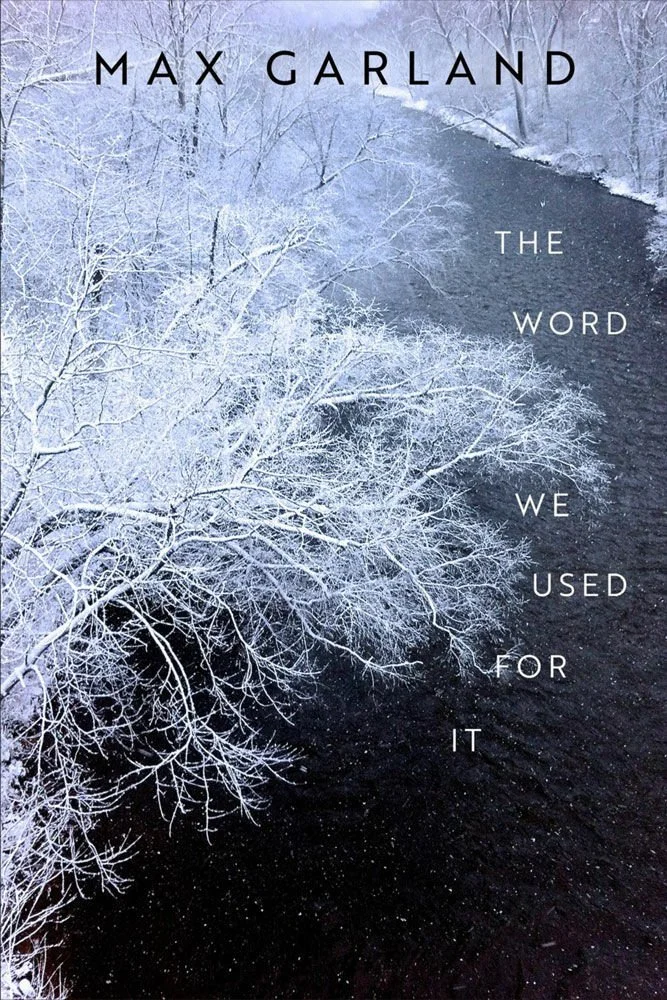
The Word We Used for It
Winner of the Brittingham Prize in Poetry, selected by Robert Wrigley
In these poems Max Garland confesses, even revels in, the fabricated nature of memory. He links personal and localized patterns (fingerprints, plowed fields) to the motions animating the insides of atoms and the unfurling of remote galaxies. Back on earth, the poems honor the decidedly homespun quality of grit--how creatures both animal and human bear up in the face of mounting odds against them. Garland suggests that imagination itself requires grit, to be called upon when the more spectacular angels are otherwise occupied.
University of Wisconsin Press, 2017
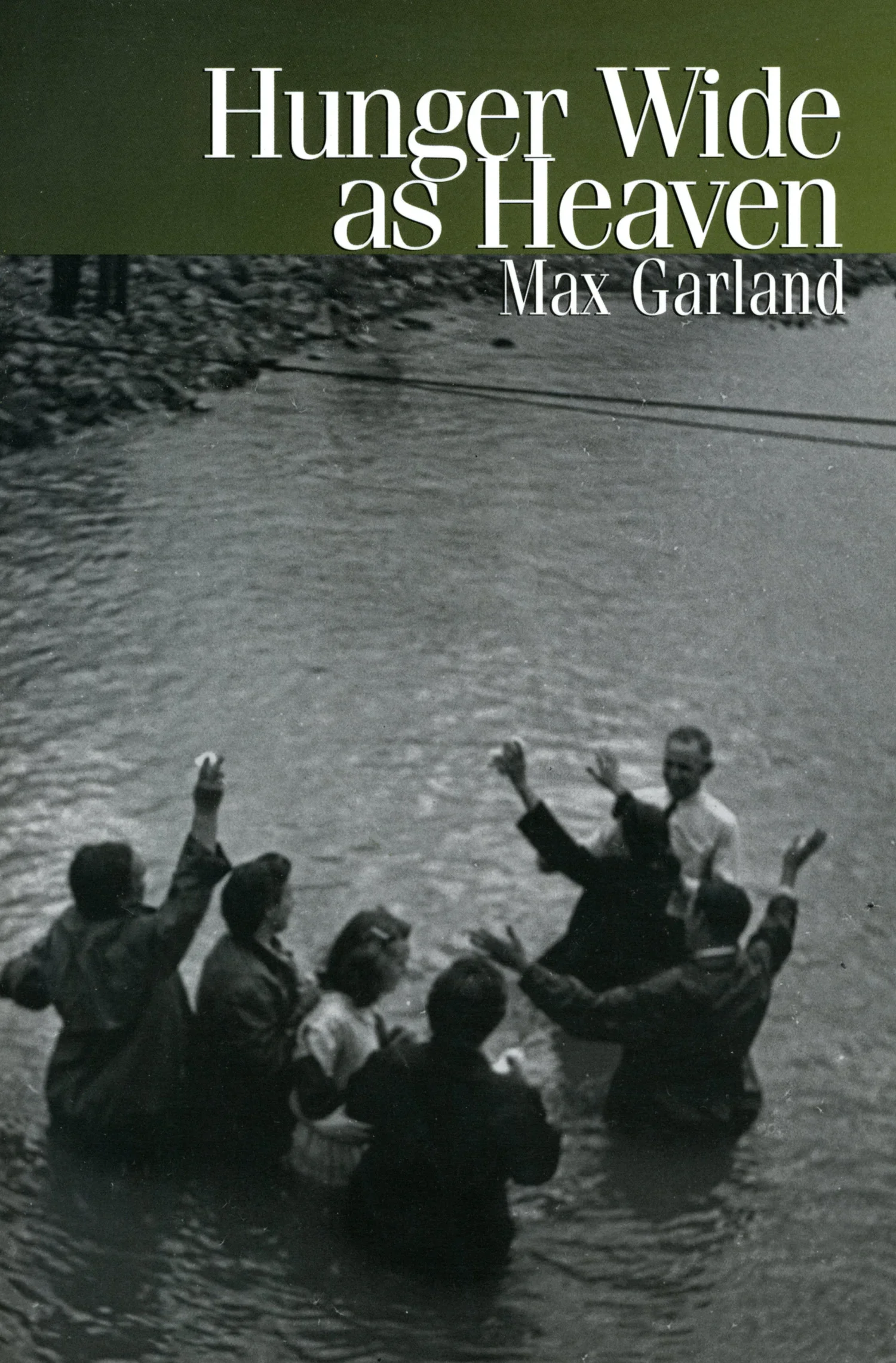
Hunger Wide as Heaven
Hunger Wide as Heaven is a collection of poems by Max Garland, and is the winner of the 2005 Cleveland State University Poetry Center Open Competition. Garland’s second book, Hunger Wide as Heaven, earned another national prize, this time from the Cleveland State University Poetry Center, a leading force in the publishing and promotion of new American poetry. The book explores themes of faith, mortality, memory, and resilience through accessible, often nostalgic poems that find grace in the everyday world, drawing from Garland's experiences as a former rural letter carrier in Kentucky.
“There’s a welcoming world here you’ll recognize, as well as a wistfulness that feels perfectly pitched, leaning out to mystery…I’m a mad fan of the delicious, radiant poems of Max Garland.” —Naomi Shihab Nye
Cleveland State University Poetry Center, 2026
Chapbook: Apparition
In Max Garland's title poem, the moon glows on water like an apparition. The presence of the intangible shining through the tangible infuses many poems in this lyrical chapbook. Garland questions the dogma of his childhood religion, but he cannot escape seeing parables of spirit in nature and his own life. These are poems of finely drawn images, flowing, whimsical, and engaging.
Parallel Press, 1999
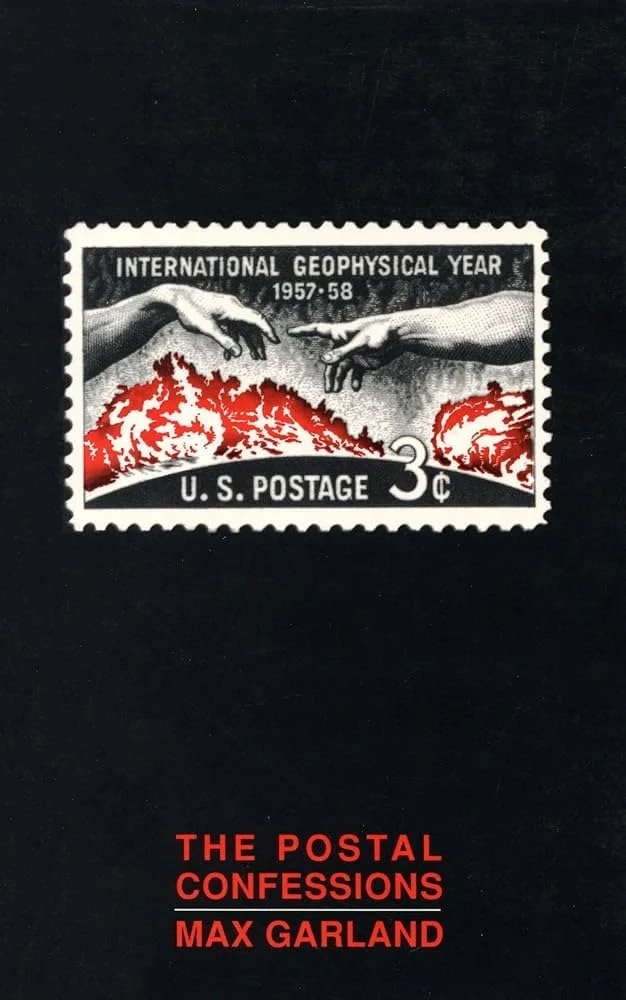
The Postal Confessions
These poems wrestle with the inherited myths of their particular time and place. Often set in a small corner of western Kentucky, they explore moments when an individual life becomes implicated in a larger scheme-- the realm of Cold War politics, the mysteries of religious faith, the codes and rituals of romantic love. Max Garland shows a lyrical determination to deal with history through the lives, minds, and emotions of ordinary people "stricken with time."
In poems about baptism, bowling, Greek goddesses, and the hydrogen bomb, Garland seems to say that knowledge and even revelation might come from anywhere. The book ends with the image of the empty space Michelangelo left between the hands of Adam and God on the ceiling of the Sistine Chapel; that tension between what lasts and what passes away, comprises the territory of these poems.
"Like the renegade exterminator in his poem 'The Termite Confessions,' Max Garland allows his allegiances to stray to those mortal hungers that undermine the foundations of certainty. Out of such sympathies and a great gift for making poetry out of plain speech, a place and its history are given a voice and a visible soul. Unlike the lonely God of the Sistine Chapel in his last poem, Garland reaches across the space between our lives to touch us, and he succeeds."―Eleanor Wilner
University of Massachusetts Press, 1995