The Postal Confessions
University of Massachusetts Press, 1995
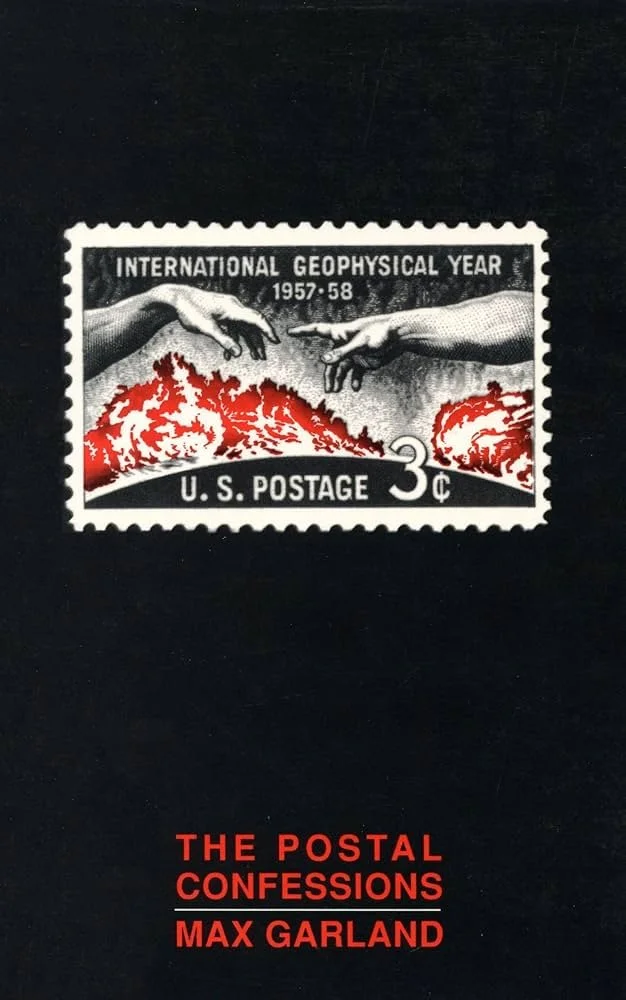
These poems wrestle with the inherited myths of their particular time and place. Often set in a small corner of western Kentucky, they explore moments when an individual life becomes implicated in a larger scheme-- the realm of Cold War politics, the mysteries of religious faith, the codes and rituals of romantic love. Max Garland shows a lyrical determination to deal with history through the lives, minds, and emotions of ordinary people "stricken with time."
In poems about baptism, bowling, Greek goddesses, and the hydrogen bomb, Garland seems to say that knowledge and even revelation might come from anywhere. The book ends with the image of the empty space Michelangelo left between the hands of Adam and God on the ceiling of the Sistine Chapel; that tension between what lasts and what passes away, comprises the territory of these poems.
"Like the renegade exterminator in his poem 'The Termite Confessions,' Max Garland allows his allegiances to stray to those mortal hungers that undermine the foundations of certainty. Out of such sympathies and a great gift for making poetry out of plain speech, a place and its history are given a voice and a visible soul. Unlike the lonely God of the Sistine Chapel in his last poem, Garland reaches across the space between our lives to touch us, and he succeeds."―Eleanor Wilner
